 December 03, 2025 - BY Admin
The Complete Web Solution: Development, Design, SEO, and Ongoing Support
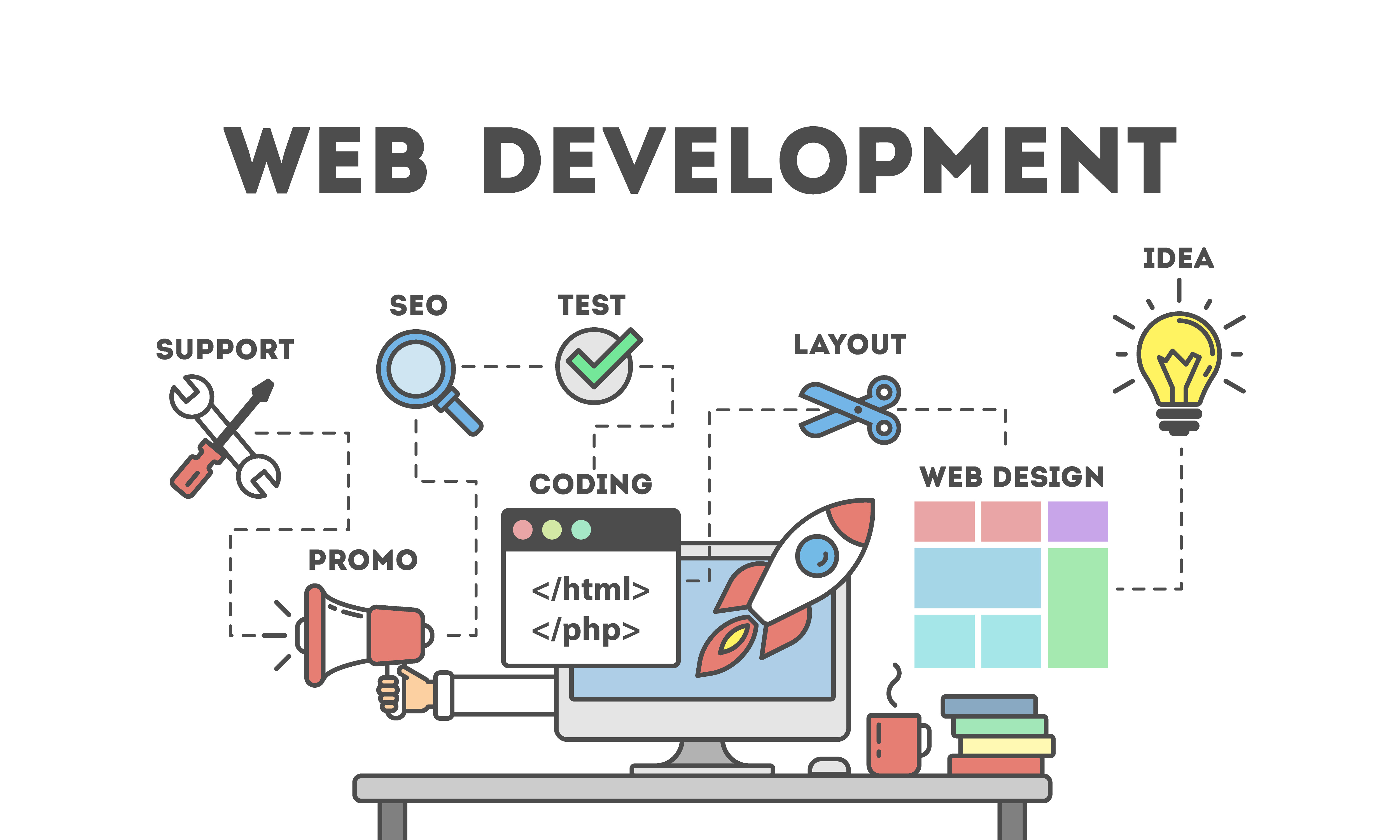
Creating a successful online presence requires more than just a visually appealing website. A complete web solution integrates various components, including robust development, engaging design, effective search engine optimization (SEO), and ongoing support. Each of these elements plays a crucial role in ensuring that your website not only attracts visitors but also retains them and converts them into loyal customers. In this blog section, we will explore these essential components in detail.
Smart, Scalable Web Development
Web development serves as the backbone of your online presence. Smart, scalable web development focuses on creating a website that can grow alongside your business. This means adopting the latest technologies and frameworks that allow for flexibility and adaptability. A well-structured website is built on a solid foundation, utilizing programming languages such as HTML, CSS, and JavaScript, combined with powerful back-end technologies like PHP, Python, or Node.js. The choice of these technologies should align with your business goals, ensuring that the website can handle increased traffic and additional features as your business expands.
Moreover, scalability is not just about handling more users; it's also about integrating new functionalities seamlessly. For instance, if you plan to incorporate an e-commerce platform or a customer relationship management (CRM) system in the future, your website should be designed with that in mind from the outset. This forward-thinking approach saves time and resources in the long run, allowing for smoother transitions and upgrades. Additionally, smart web development includes rigorous testing and quality assurance processes to ensure that the website performs optimally across different devices and browsers.
Design That Enhances User Experience
While development lays the groundwork, design is what draws users in. A well-designed website enhances user experience (UX) by making navigation intuitive, visually appealing, and accessible. The principles of UX design focus on understanding the user's journey and addressing their needs effectively. This involves creating clear pathways for users to follow, ensuring that content is easy to read, and optimizing load times to prevent frustration.
Design elements such as color schemes, typography, and imagery play a significant role in conveying your brand's identity. A cohesive design not only strengthens brand recognition but also builds trust with your audience. Furthermore, responsive design is essential in today's mobile-first world, where users access websites from a variety of devices. A responsive site adjusts its layout based on the screen size, providing an optimal viewing experience regardless of whether the user is on a smartphone, tablet, or desktop.
Incorporating user feedback into the design process is also vital. Conducting usability tests and gathering insights from real users can reveal pain points and areas for improvement. This iterative approach ensures that the design evolves based on actual user behavior, leading to a more satisfying experience that encourages return visits.
SEO: Making Your Website Discoverable
Having a beautifully designed and well-developed website is only half the battle; it must also be discoverable. This is where search engine optimization (SEO) comes into play. SEO is the practice of enhancing your website's visibility in search engine results, making it easier for potential customers to find you. This involves a combination of on-page and off-page strategies that work together to improve your site's ranking.
On-page SEO includes optimizing content with relevant keywords, ensuring that meta tags are properly utilized, and structuring URLs in a way that is both user-friendly and search engine-friendly. Additionally, creating high-quality, valuable content that addresses the needs of your target audience can significantly boost your site's authority and relevance in search engines. Off-page SEO, on the other hand, focuses on building backlinks from reputable websites, which signals to search engines that your site is trustworthy and worth ranking higher.
An effective SEO strategy is not a one-time effort; it requires ongoing monitoring and adjustments based on algorithm updates and changes in user behavior. Tools like Google Analytics and Search Console provide valuable insights into how your site is performing and where improvements can be made. By prioritizing SEO as part of your complete web solution, you can ensure that your website remains competitive and continues to attract organic traffic.
Ongoing Support and Maintenance: Why a Complete Web Solution Matters
A complete web solution does not end with the launch of your website; it extends into ongoing support and maintenance. Regular updates are crucial for keeping your website secure, functional, and relevant. This includes software updates, security patches, and content refreshes to ensure that your site remains current and compliant with industry standards. Neglecting these aspects can lead to vulnerabilities that may compromise your site and damage your reputation.
In addition to technical maintenance, providing ongoing support means being available to address any issues that may arise. Whether it's troubleshooting a bug, updating content, or implementing new features, having a dedicated support team can alleviate stress and allow you to focus on your core business activities. This proactive approach not only improves the longevity of your website but also enhances user satisfaction, as visitors are more likely to return to a site that functions smoothly and provides fresh content.
Furthermore, ongoing support allows for the continuous optimization of your website based on user feedback and analytics data. By regularly assessing performance metrics, you can identify areas for improvement and make data-driven decisions to enhance user engagement and conversion rates.
Conclusion
In today's digital landscape, a complete web solution encompasses more than just a website; it integrates development, design, SEO, and ongoing support into a cohesive strategy that drives success. By investing in smart, scalable web development, creating designs that enhance user experience, implementing effective SEO practices, and ensuring ongoing support and maintenance, businesses can establish a strong online presence that not only attracts visitors but also converts them into loyal customers. As the online environment continues to evolve, adopting a holistic approach to your web strategy is essential for staying competitive and achieving long-term growth.